
Recall Readiness Doesn’t End at FSMA 204 Compliance
Meeting the rule and finding the product are two different problems.
A recall notice lands on an ordinary Tuesday. Your traceability program is built, your records are in order, and you can produce the critical tracking events for those lot codes inside 24 hours. Then come the harder questions. How much of that lot is still in the building, which slots is it in, and can anyone get hands on it before it ships?
We made this case for Food Logistics in a recent contributed article, Why Compliant Companies Still Fail During Food Recalls. The short version is that meeting the rule and finding the product are two different problems.
What FSMA 204 Actually Requires
FSMA 204 wants you to track product across a boundary. The FDA’s traceability plan example for distribution centers writes the requirement up as warehouse management system transactions: a receipt on the way in, a pick transaction on the way out. Those are the two moments anyone verifies the record. Every location the day’s work never touches stays whatever the WMS last said it was, and in a building with tens of thousands of slots, that’s nearly all of them.
The Industry’s Own Workaround Depends on Inventory Accuracy
The workaround the industry has proposed leans on inventory accuracy. When the International Fresh Produce Association asked the FDA to let warehouse management systems infer which lots shipped, it attached conditions: cycle counts, inventory reconciliation, empty slot verification, received pallets traceably linked to license plates and slots. The stated reason was to keep an inferred lot range from ballooning. So the shortcut works only if you already know what’s in your slots.
Two Gaps the Rule Leaves Open
Two things sit outside all of it.
Product in reserve and ground storage sits longest, gets handled least, and has the most room to drift away from the record. It is also the worst inventory to check by hand, because checking it means putting an associate on a lift to read labels across hundreds or thousands of locations.
Product moving during a shift is the other. The record updates whenever somebody scans it, so a pallet put away in the wrong slot can go weeks before anyone notices.
Closing Both Gaps
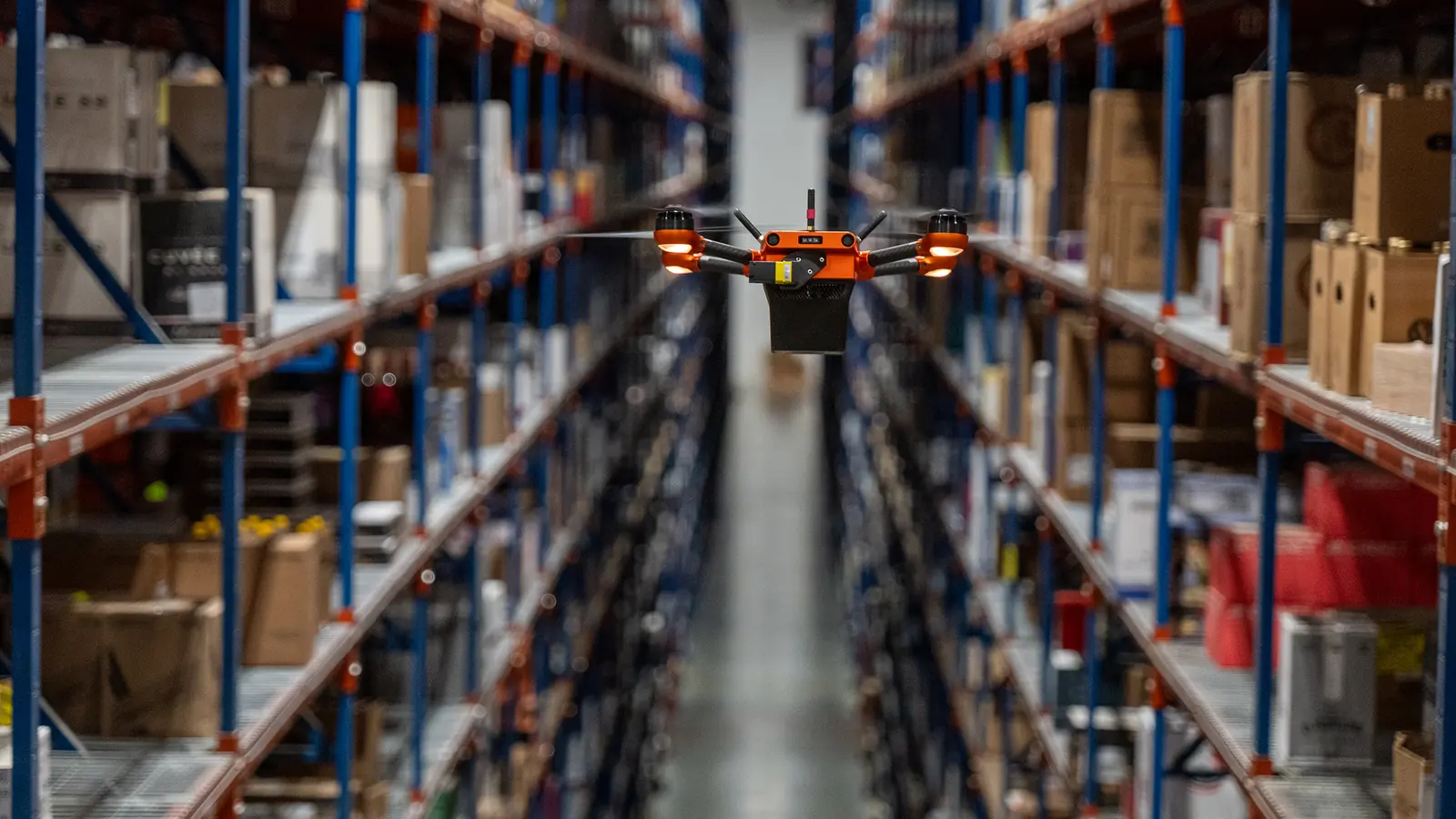
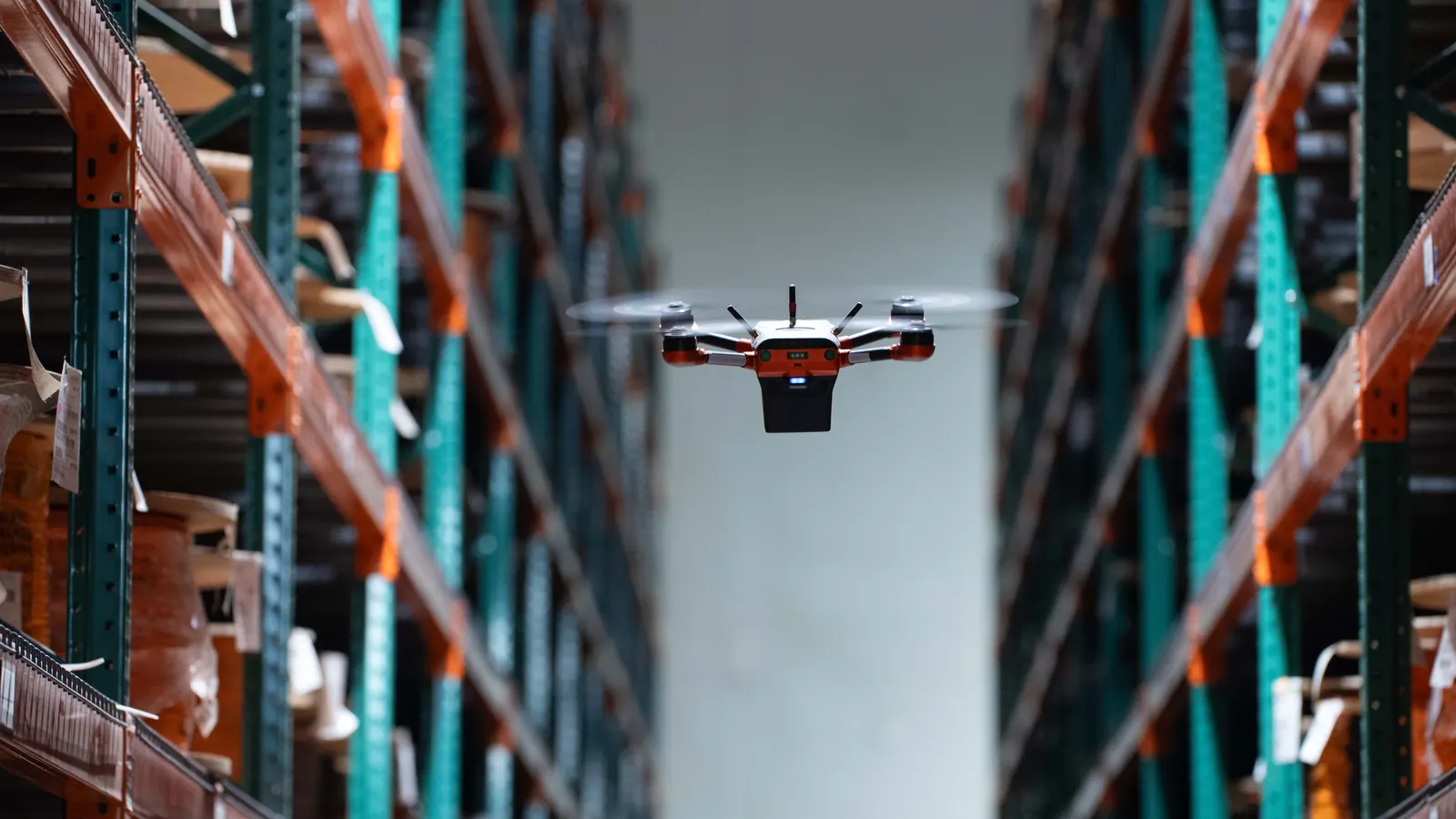
Corvus One® covers inventory at rest. The drones fly and scan reserve and ground-stored inventory, and attach photo evidence of every location, so inventory control spends its time resolving real exceptions in the WMS instead of riding a lift to confirm what the system already believed. In freezer operations, Corvus One for Cold Chain does that same work down to -20°F.
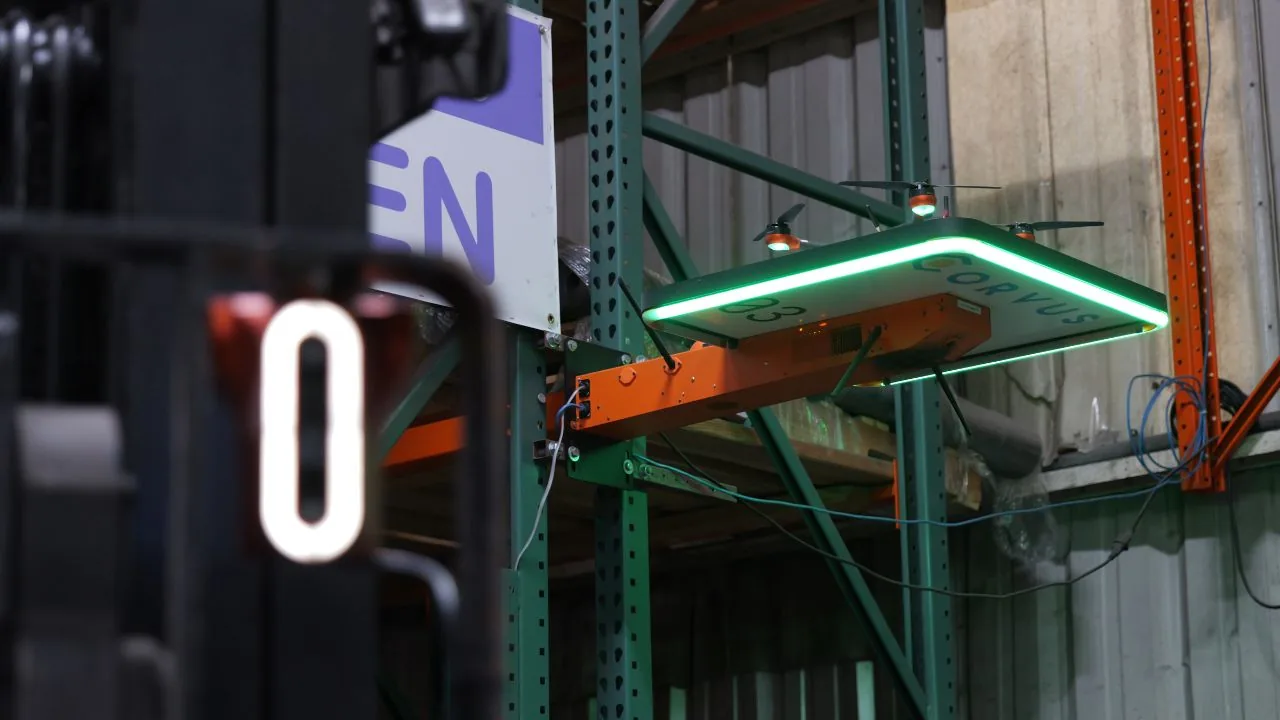
Corvus Trident™ covers the other half. It mounts to forklifts and reach trucks and captures pallet movement as operators handle loads, with no scan gun and no change to how anybody works. That includes receiving and shipping, the two events FSMA 204 actually asks you to document, and it validates loads against the BOL at the point of work. Between the two systems, inventory at rest and inventory in motion land in the same record.
What that buys you is confidence before the notice arrives. At a single facility, you build a history of where your records drift and why, and that history is where your team starts looking when the clock is running. Across a network, capturing the same data the same way at every site gives you one dataset instead of twelve that have to be reconciled before anyone can ask a question across all of them.
Why Start Before July 2028
The compliance date moved back 30 months to July 20, 2028. Start capturing consistent data now and you reach it with a history worth trusting and a recall process you’ve already rehearsed. Wait, and the system is brand new the week you need it most.
Read the full article on Food Logistics, or talk to us about what a mock traceback would turn up in your buildings.
More News & Content
What to Know Before You Buy Warehouse Inventory Drones
If you’re evaluating inventory drones, you’re going to run into claims that haven’t been true for years.
October 7, 2026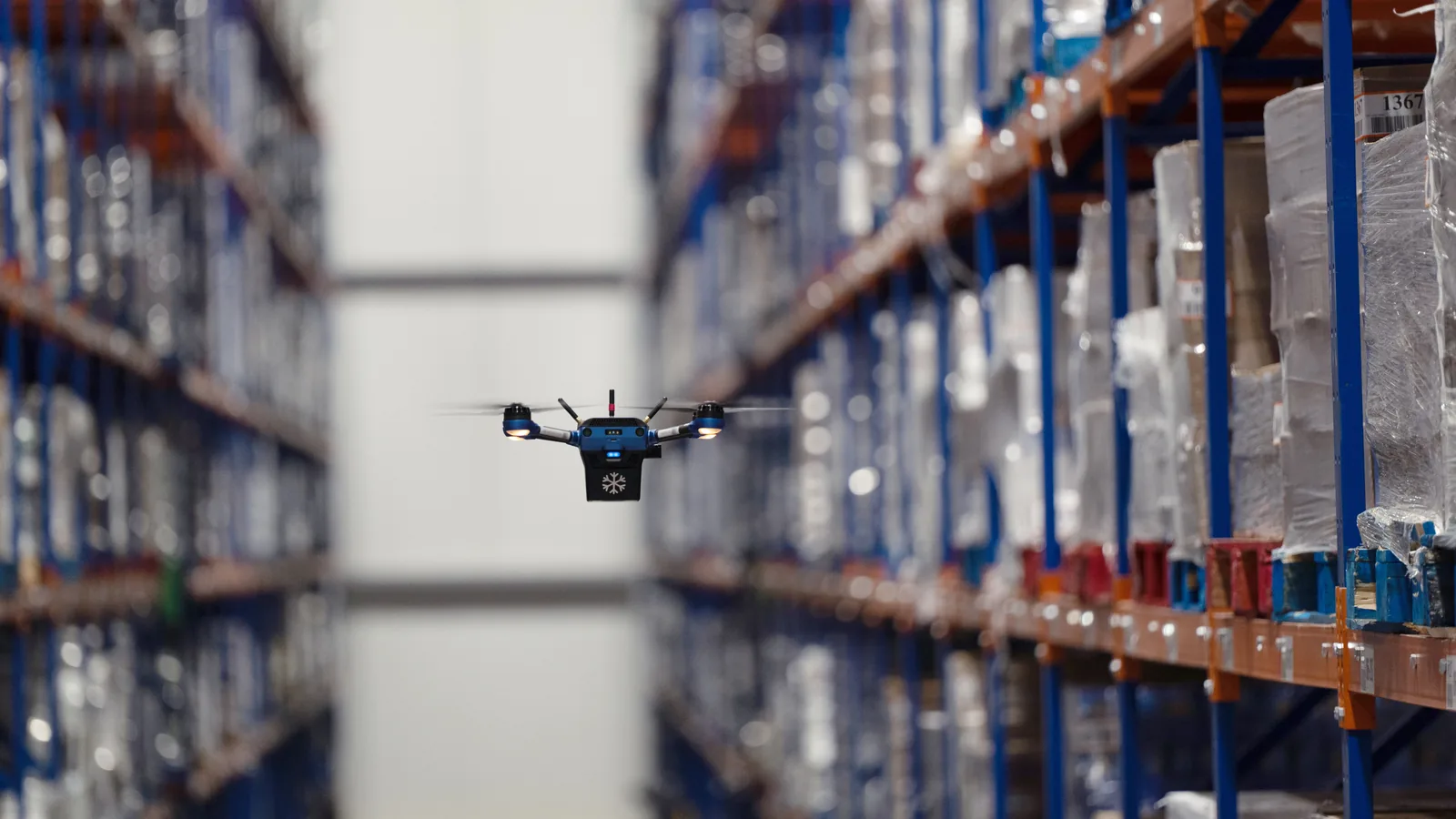
Reclaiming the Freezer: Why the Coldest Job in the Warehouse Shouldn’t Require a Person
Manual cycle counting in a freezer is punishing, error-prone work, in an industry where turnover already runs at 32.6%.
July 13, 2026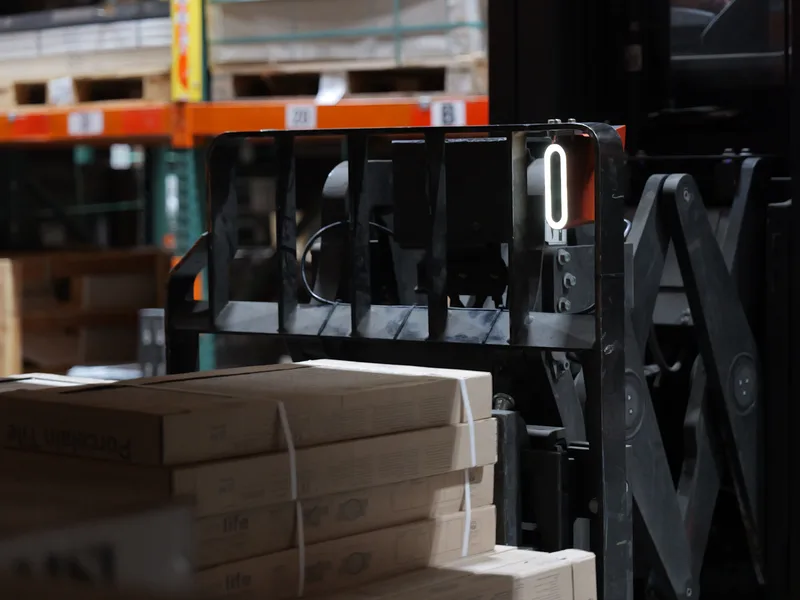
Corvus Robotics Launches Corvus Trident™, an AI Copilot for Material Handling Equipment
Mounted to forklifts and reach trucks, Corvus Trident captures pallet movement automatically from inbound through outbound.
April 13, 2026