
Taking GNC's Inventory to New Heights
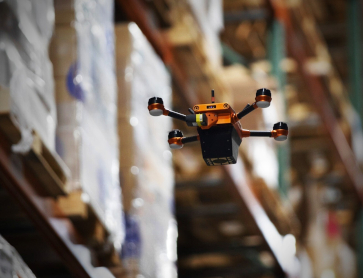
Cycle counting drones run 7 to 8 missions per day across GNC's Indianapolis and Phoenix distribution centers, freeing labor and material handling equipment for fulfillment.
GNC video transcript
Bill Monk, VP of Distribution, GNC
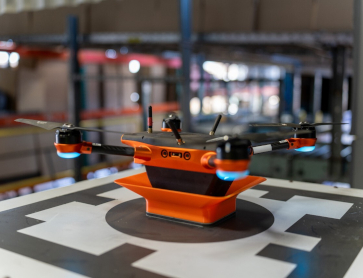
We were able to realize the benefits of the drone the day that it started flying. Our GNC distribution center in Whitestown, Indiana has four landing pads, three drones, and we verify and count 31,000 locations a month.
Peaches Pinckney, Inventory Operations Manager, GNC
I think the big differentiator for Corvus Robotics is that not only can it verify, but it can count. And that knowledge of what's in that location compared to what our WMS says, it's priceless.
So when the drone goes out there to count the bin, it's expecting a cubic space to be filled. If that cubic space is off, it'll send a report that says this bin is off, and that signifies my team to go to that bin, or, "hey, I'm missing an LPN." With the drone trying to count that bin, it allows me to see that the LPNs are missing, so we are able to put that LPN back on. And that actually helps the efficiency in pick, because they're not stopping, going to the team member saying, "hey, I don't have that LPN." So it really does help, because it guides us to the problems.
Bill Monk, VP of Distribution, GNC
We have products that expire. They have certain lot numbers. And we have to make sure that we have that information readily available and that we're pulling our products in a specific way for our customers.
Peaches Pinckney, Inventory Operations Manager, GNC
Because we have the drones, I decreased the amount of cycle counters I needed actually on the order picker all day long. It allowed me to reallocate team member labor hours to do other audits in the building.
Bill Monk, VP of Distribution, GNC
It's also finding other problems with our data. One of our associates may have typed in a wrong number, so instead of saying that the product is ten inches tall, it says it's one inch tall. It's showing us that we still have opportunities from a data perspective that we can correct, and it's allowing us to fix them faster. It's a soft cost that we weren't expecting, but we're discovering.
I like the Corvus Robotics drones because they're out of sight, out of mind. And they're doing things that there's really not a lot of value to an individual on, but to the business, it's priceless.
Overview
GNC operates two distribution centers in Indianapolis and Phoenix to fulfill orders across its global business. With high order volume and a strict on-time-and-in-full shipping standard, an accurate, frequent count cadence is essential to keep orders moving. When inventory drifts from the system, fulfillment delays and stockouts follow.
The Challenges
- Labor-Intensive Process: Inventory counting required large teams to manually audit 40,000 locations across two distribution centers.
- Time: The cycle counting process took place daily, sometimes over weekends, and required external audits twice a year.
- Resource Constraints: Material handling equipment had to be diverted for cycle counting, reducing availability for other tasks.
- Limited Frequency: Full cycle counts were only performed two to four times annually.
- Human Error: High volume of inventory movement led to misplaced products and errors.
- Operational Disruptions: With no downtime in the Indianapolis facility, it was difficult to allocate lift trucks and staff for cycle counting without affecting operations.
The Corvus Solution
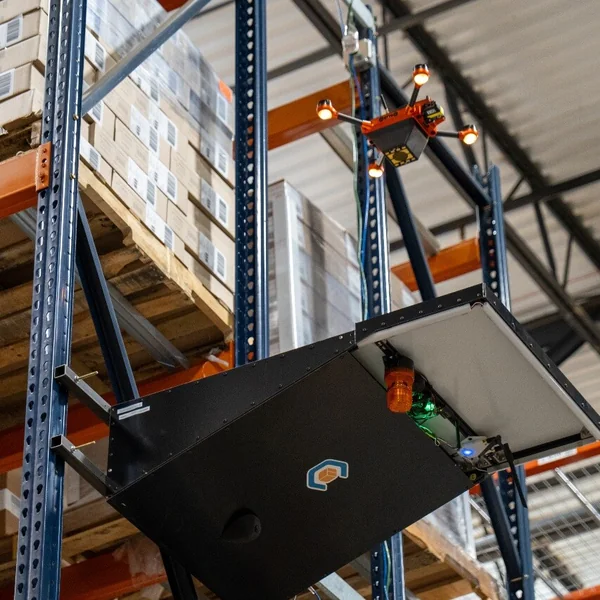
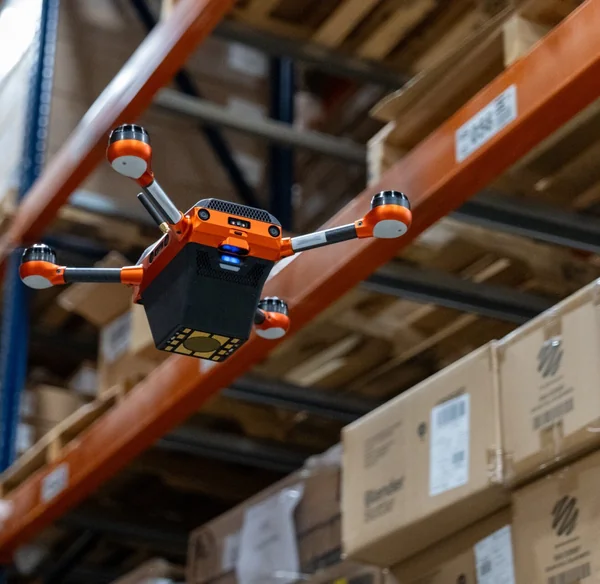
GNC deployed the Corvus One® Autonomous Inventory Management System across its Indianapolis and Phoenix distribution centers. Corvus One brings Physical AI to warehouse operations, running in GPS-denied environments with onboard AI and computer vision and feeding continuous inventory data into the AIMS platform. Drones fly during business hours, automating daily cycle counts to improve inventory accuracy, reduce shrinkage, and free labor and material handling equipment for fulfillment.
The Impact
- Increased Inventory Accuracy: Errors and shrinkage were significantly reduced, leading to improved stock reliability.
- Higher Counting Frequency: Facility-wide drone cycle counting now occurs 10-12 times per year, compared to 2-4 times before Corvus One.
- Labor Reallocation: Inventory control staff was reduced from 20 to 13, with redeployed employees working on other projects.
- Efficiency Gains: Warehouse inventory drones perform 7-8 flights per day, each lasting approximately 30 minutes, providing real-time inventory data.
- Autonomous Operations: Drone inventory management operates independently, freeing up labor and material handling equipment for other warehouse functions.
- Faster Error Resolution: The ability to quickly locate misplaced inventory and reconcile discrepancies has improved, preventing disruptions to order fulfillment operations.
I like the Corvus Robotics drones because they are out of sight, out of mind. They're doing things that there's really not a lot of value to an individual on, but to the business, it's priceless.

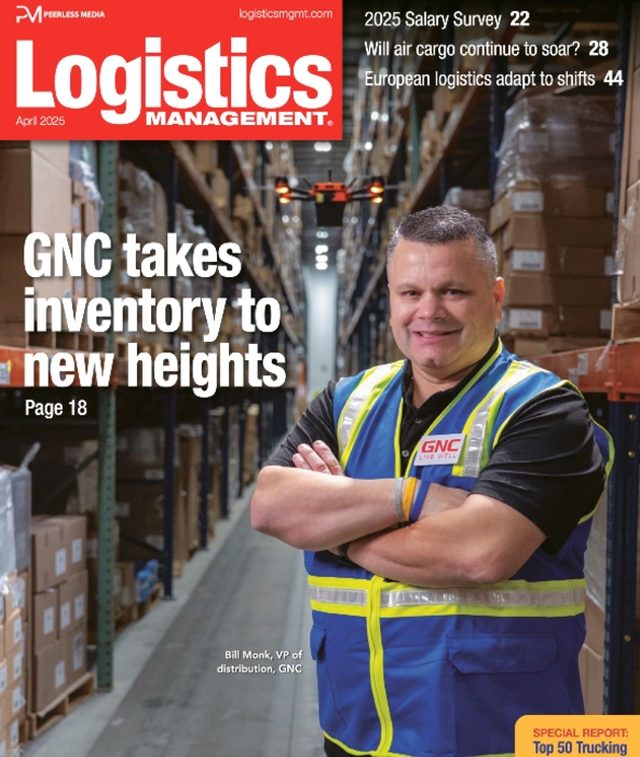
Logistics Management — April 2025
GNC Takes Inventory to New Heights
GNC's labor-intensive inventory counting process once relied on teams navigating 450,000 square feet of warehouse space with materials handling equipment. Now, drones are streamlining cycle counts, reducing resource constraints, and improving efficiency across its distribution centers.
Read the Cover StoryMore Use Cases
Continuous accuracy across industries, from manufacturing to distribution.

LAPP USA Multiplies Warehouse Counts 13x with Corvus One

Staci Americas Goes Lights-Out With Corvus One

MSI Boosts Inventory Management with Corvus One Drones
Request ROI Briefing
Reserved for operations leaders running multi-facility distribution.